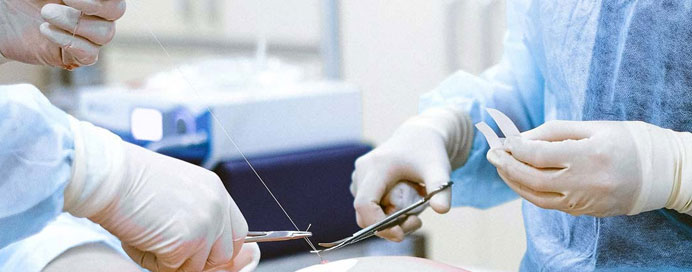
Head & Neck Oncosurgery is a specialized branch of surgery focused on the diagnosis, treatment, and reconstruction of cancers affecting the head, neck, face, throat, and related structures. These cancers may involve the oral cavity, tongue, salivary glands, jaw, larynx, pharynx, thyroid, or skin of the head and neck region. Head & Neck Oncosurgeons are highly trained to provide comprehensive care, combining surgical expertise with the latest technologies to remove tumors while preserving critical functions such as speech, swallowing, and facial appearance. Early detection, precise surgical planning, and multidisciplinary care are essential to achieving optimal outcomes and improving patient quality of life.
Head & Neck Oncosurgery addresses cancers of the oral cavity, tongue, lips, jaw, salivary glands, thyroid, larynx, pharynx, and facial skin. The field also involves treatment of lymph nodes and complex reconstruction after tumor removal.
A comprehensive evaluation is performed, including clinical examination, imaging (CT, MRI, PET scans), biopsy, and histopathological analysis. Accurate diagnosis is critical for planning the surgical and multidisciplinary treatment approach.
Surgical intervention aims to completely remove tumors while preserving function and appearance. Techniques include tumor excision, partial or total removal of affected structures, neck dissection, and reconstructive procedures using grafts or flaps.
After tumor removal, reconstructive techniques restore form and function of the affected area. This may include microvascular free flaps, local flaps, or prosthetic rehabilitation to optimize aesthetics and quality of life.
Head & Neck Oncosurgery often involves collaboration with oncologists, radiologists, radiation therapists, and speech or swallowing therapists to ensure holistic care. This multidisciplinary approach improves treatment outcomes and long-term recovery.
Recovery includes monitoring for recurrence, managing complications, and rehabilitation for speech, swallowing, and facial function. Nutritional support and psychological counseling are also integral parts of comprehensive care.